

Balcony Privacy Screens




FAQ
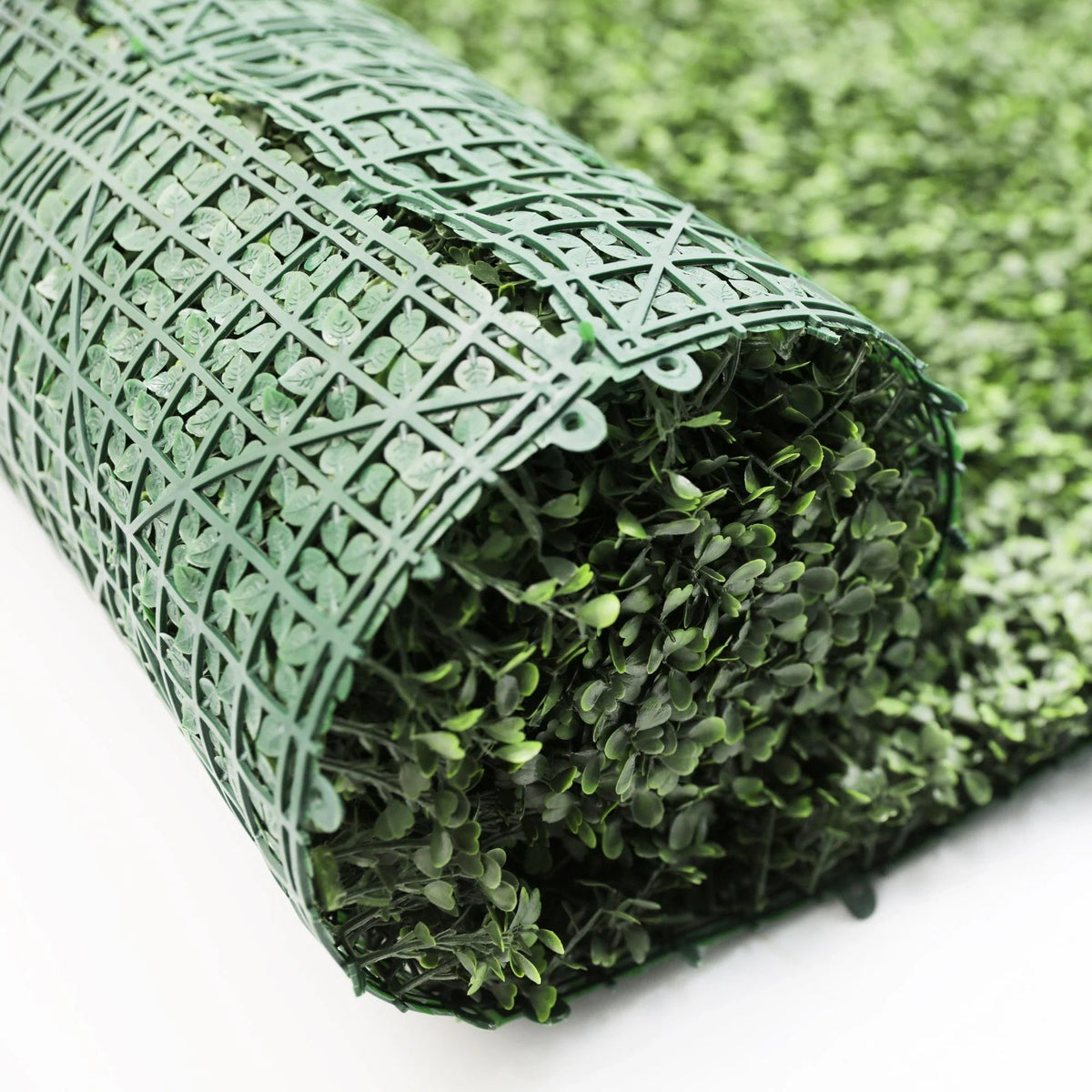
UV resistant zip ties around the top and bottom rails hold an ivy roll or hedge panel firmly and cut away cleanly when you move out. Behind a glass balcony wall, a freestanding portable hedge screens the view with no fixing at all. Neither option leaves marks on the building.
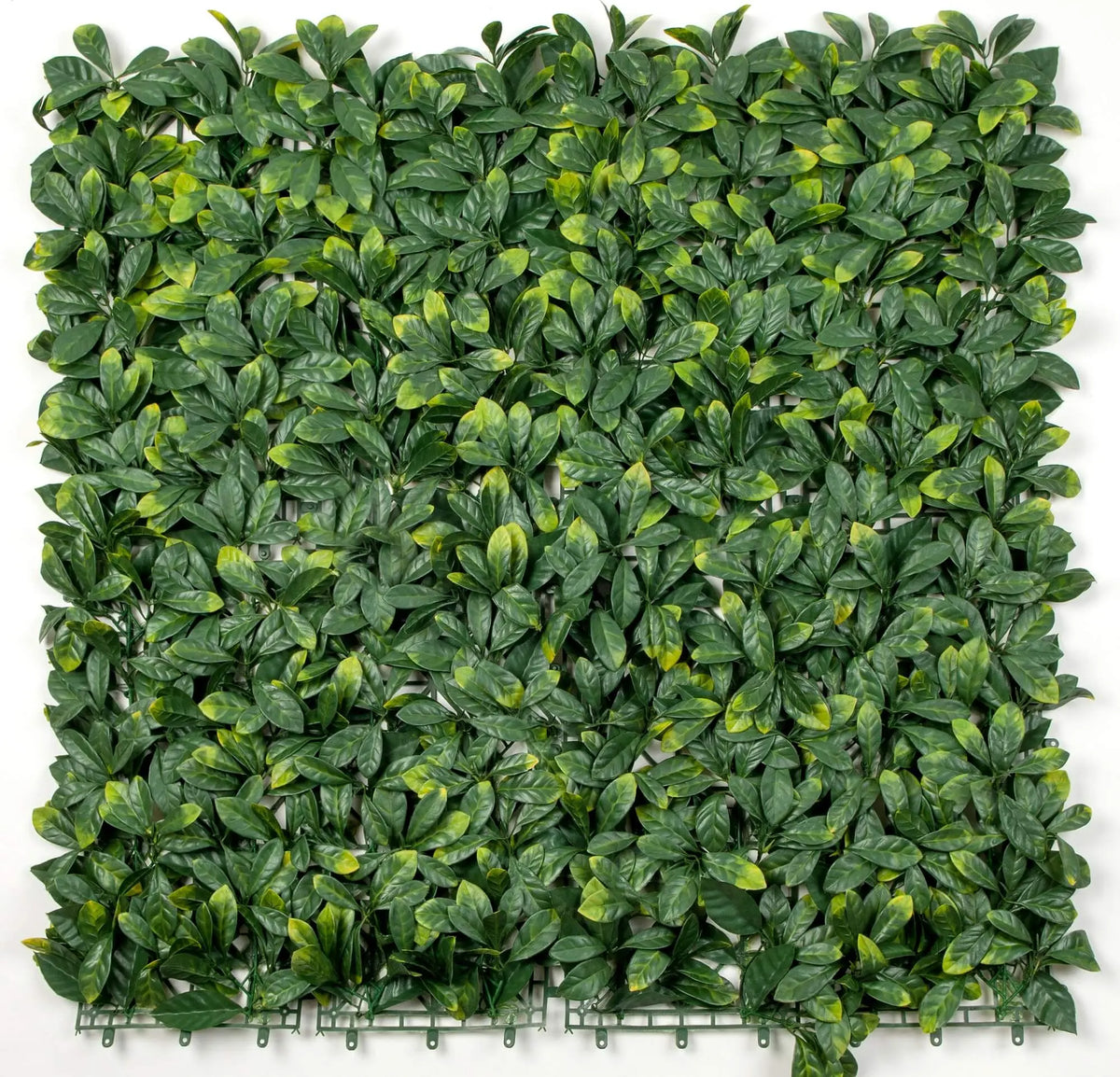
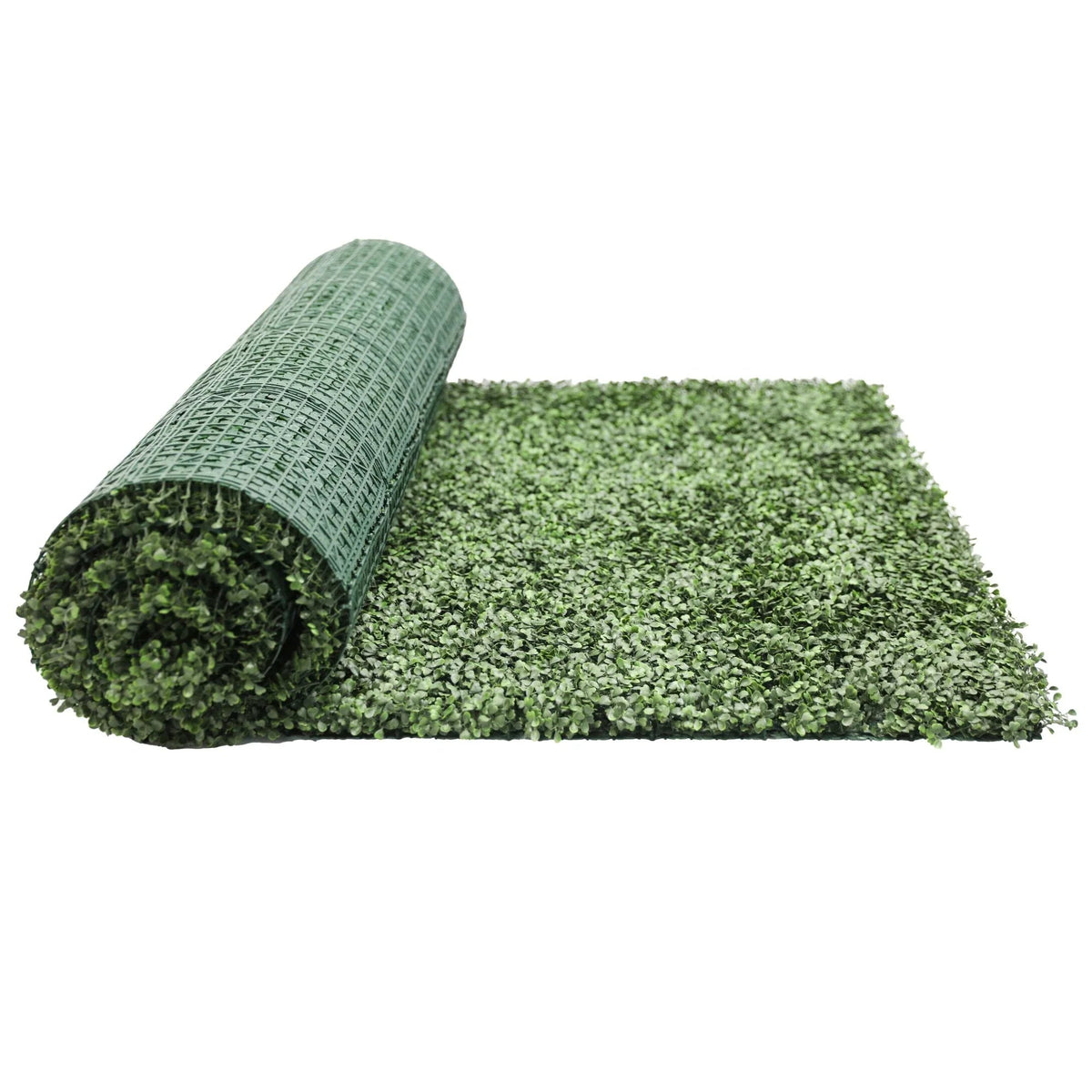
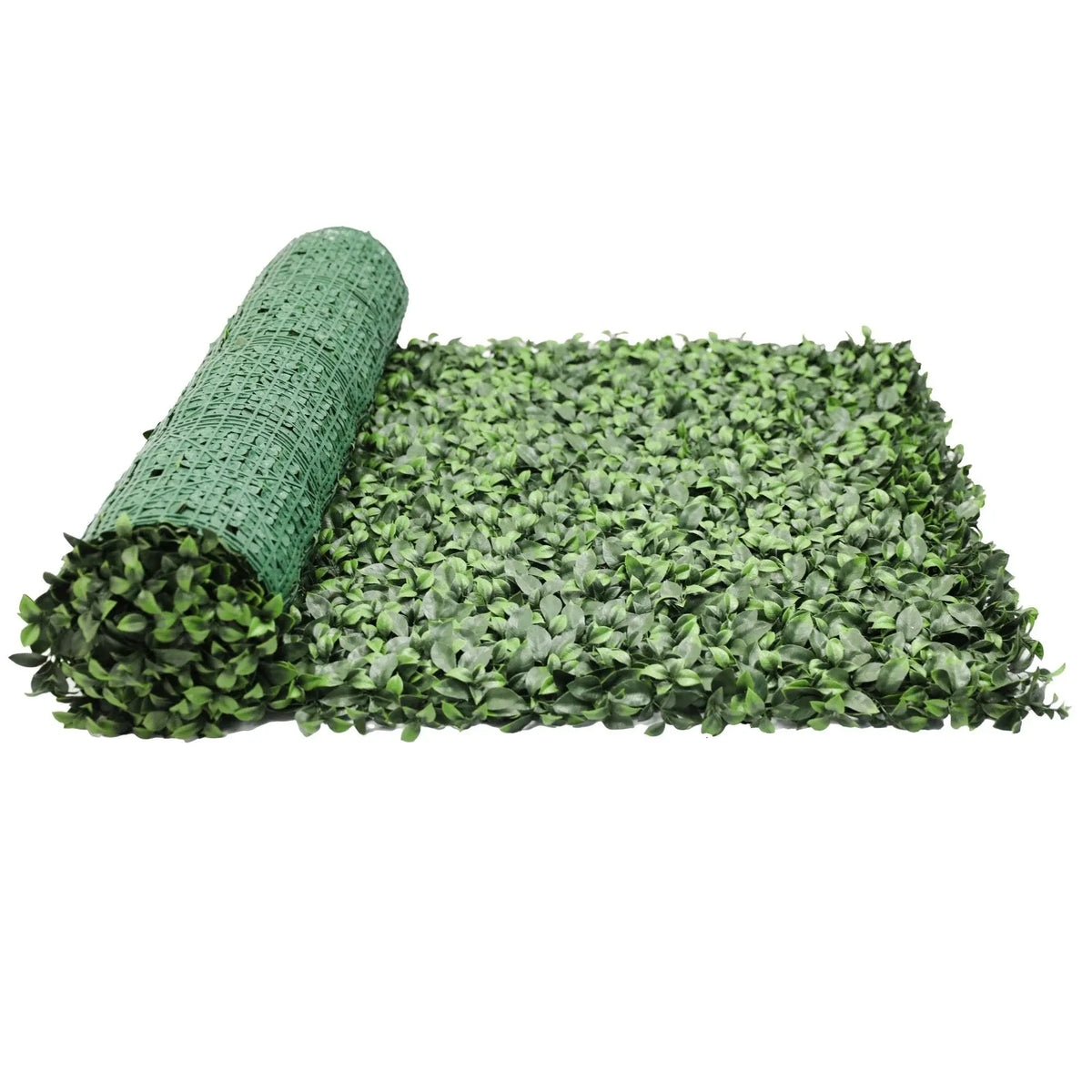
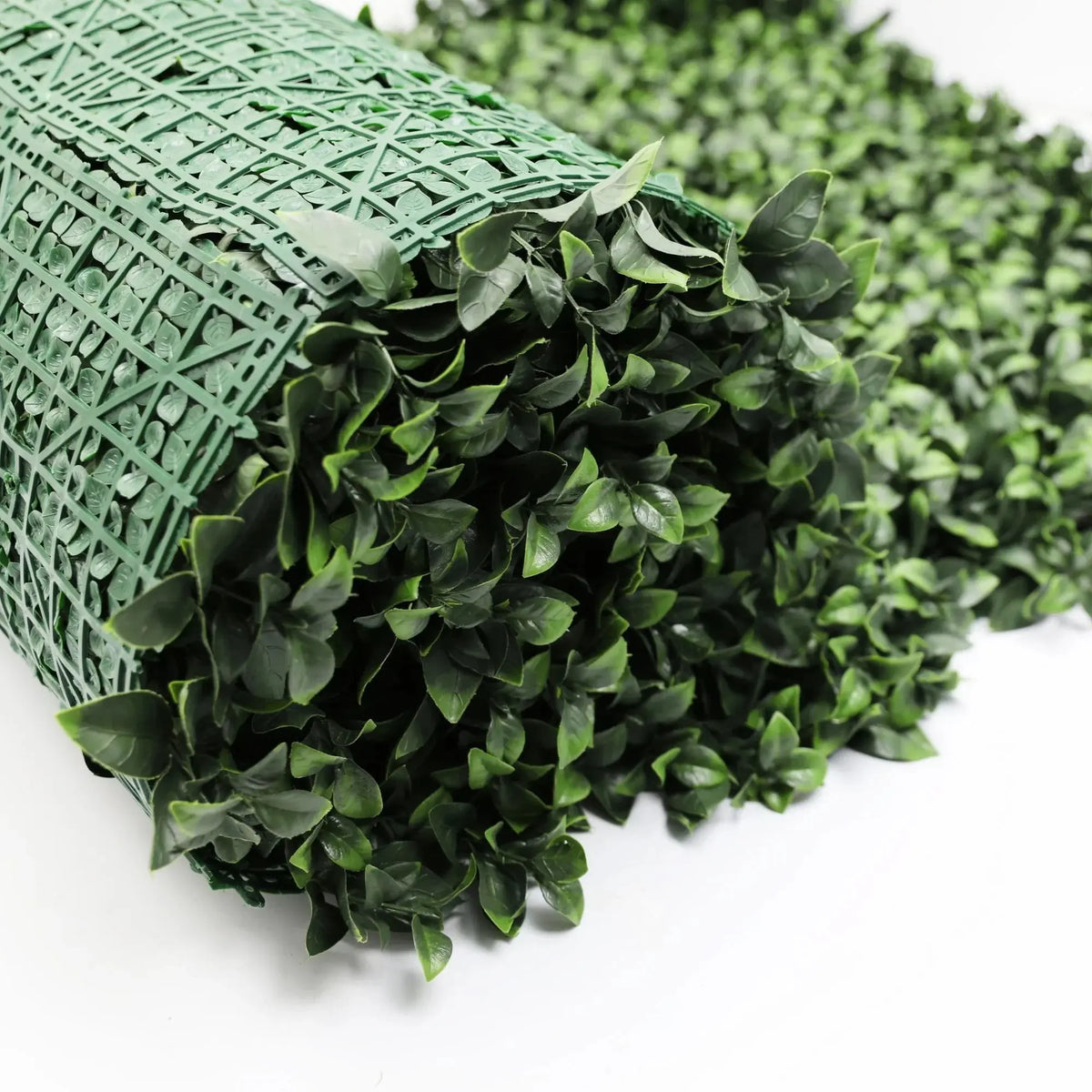
For a railing, a 118" x 40" ivy roll covers a typical balcony run in one piece from $64.95, and the version with shade cloth backing blocks more of the view. Hedge panels at 40" x 40" give a denser, clipped look on a solid wall or frame. On glass balconies, portable hedges from 40" long are the simplest option.
Rules vary by building, so check your HOA or condo bylaws before ordering. Some buildings restrict anything visible from the street or above the railing line. Screens that sit inside the railing and cut away cleanly tend to be the easiest to get approved.
Not when it is zip-tied roughly every 12" along the top and bottom rails. Wind picks up with height, so check the ties after the first storm and replace any that have stretched. Rolls with shade cloth backing catch more wind than open-leaf rolls, so secure fixing matters more on upper floors.
The standard ivy roll gives around 60% coverage, which softens the view while letting light and air through. For a more solid screen, choose the ivy roll with shade cloth backing, the boxwood roll or 40" x 40" hedge panels. Layering a hanging plant or window box planter in front adds more cover.
Hose the screen down a few times a year to clear dust and pollen, adding a little hand soap for built-up grime. Coastal balconies benefit from a fresh-water rinse more often to keep salt off the leaves. Avoid pressure washers at close range, which can loosen the foliage.

UV-resistant (UVTex™)

Non-toxic and safe (SafeTex™)


