
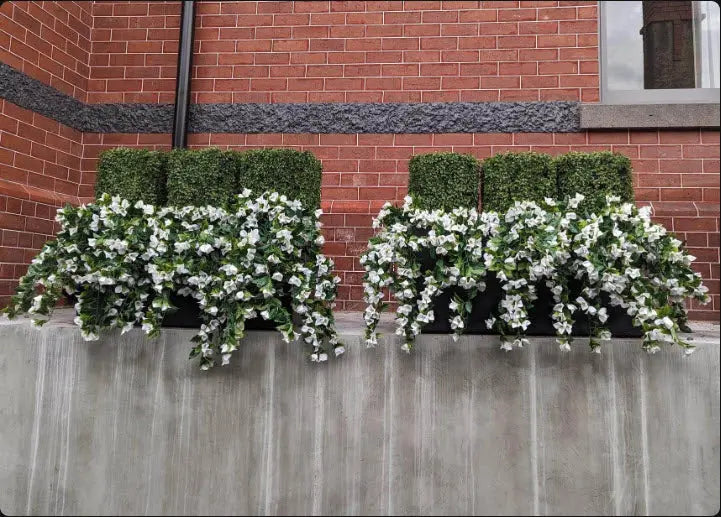
Artificial outdoor plants have become a practical design choice for patios, porches, balconies, and entryways that need color without constant upkeep. For homeowners, renters, and businesses alike, they offer lasting style without watering, pruning, or seasonal replacement. The best options can handle sun, wind, and everyday exposure while still looking convincing from a few steps away. This guide breaks down what to buy, what to avoid, and which styles work best outdoors so the choice feels clear, not guesswork-driven.
Best Artificial Plants for Outdoor Spaces
Outdoor faux greenery works well because many exterior spots are hard on live plants. Low-light corners, dry balconies, and weather-beaten porches often leave real planters looking thin or damaged. Quality artificial plants solve that problem with steady color and shape, which is especially useful for people who want a finished look without regular replacement. Compared with live plants, they trade growth and change for durability and a much more predictable appearance over time.
Low-maintenance benefits
The biggest draw is simple: no watering, trimming, soil care, or plant feed. That matters for busy homeowners, seasonal properties, and renters who want attractive outdoor plants without adding chores. The result is dependable curb appeal with very little effort, whether the goal is a polished front porch or a quiet balcony refresh.
What to Look for Before You Buy
The best buys usually stand out before they ever reach the doorstep. Materials, color realism, and construction all affect how artificial plants perform outside, especially in bright sun or damp conditions. A good product should look convincing from the street, feel sturdy in hand, and hold its shape after repeated exposure, especially if you are comparing options like UV resistant outdoor artificial plants.
Weather-resistant materials
Outdoor-rated construction matters more than indoor styling alone. Look for UV protection, fade resistance, and frames that feel solid instead of flimsy. Cheap options may crack, dull, or start looking fake quickly, which can erase the savings fast.
Realistic design details
Leaf shape, small color shifts, and surface texture all help a plant read as real. Fuller forms often look more natural from a distance, especially in planters near doors or fences. A sparse silhouette tends to give away the illusion immediately.
Best Artificial Plants for Different Outdoor Spaces
Different spaces call for different shapes. Topiaries, shrubs, trailing greenery, and hedge-style pieces each solve a different decorating problem. The smartest choice depends on whether the space needs structure, privacy screening, or just a softer edge.
| Space | Best style | Why it works |
|---|---|---|
| Entryways | Topiaries, boxwood hedges | Creates symmetry and a polished frame |
| Balconies | Compact shrubs, trailing greenery | Adds softness without crowding |
| Patios | Artificial hedge rolls, green wall panels | Improves privacy and covers blank surfaces |
Entryways and front porches
Symmetrical pieces work best here because they create instant balance. Topiaries and matching planters give a front door a more intentional look, especially on homes that need a clean, welcoming finish.
Balconies, patios, and rooftop corners
Compact plants are easier to place in tighter zones, and hanging or trailing styles help fill vertical gaps. Lightweight choices are useful when the arrangement may need to move for cleaning, weather, or seasonal styling, and hanging plants can be especially helpful for maximizing limited space.
How to Style Artificial Plants Naturally
Placement does most of the heavy lifting. Artificial plants look more believable when they are grouped thoughtfully, paired with the right containers, and mixed with other textures. The goal is not perfection; it is enough variation to make the display feel rooted in the space.
Use planters and layered groupings
Containers anchor the arrangement and help the greenery feel grounded. Odd-number groupings often look more natural than pairs, and mixing heights adds depth. A tall boxwood hedge beside a shorter succulent display, for example, feels more relaxed than matching pieces lined up too neatly.
Buying Tips and Care Basics
Before buying, inspect quality closely and think about where the piece will sit. Privacy screens, fence covers, and decorative greenery all need stable placement so they do not shift in wind or traffic. Basic care is easy: a quick rinse or dusting keeps buildup from dulling the finish.
Choose quality over the cheapest option
Prioritize UV resistance and sturdy construction first. Better materials usually look better longer outdoors, which makes them the stronger value over time. The cheapest option may seem fine at first, but long-term savings disappear if the color fades or the frame weakens too soon.
Frequently Asked Questions
Most buyers want reassurance about fading, placement, and upkeep before they commit. The answers are usually straightforward, and the right product can remove most of the usual worry tied to faux greenery.
Do artificial plants fade outside?
Outdoor-rated products resist fading far better than indoor artificial plants. Sun exposure still matters, so quality is important, but the right materials last much longer than basic indoor versions.
How do you clean outdoor artificial plants?
Rinsing, dusting, or gentle washing usually handles buildup well. That easy upkeep is part of the appeal. Harsh cleaners can damage finishes, so mild care is the safer choice.
Choose the Right Faux Greenery for Long-Term Appeal
The strongest artificial outdoor plants combine weather-resistant materials, realistic design, and a style that fits the space. Whether the goal is a cleaner porch, a greener balcony, or privacy for a patio, the best choice is the one that looks good from a distance and holds up with minimal effort. Quality usually pays for itself in durability, appearance, and peace of mind.