
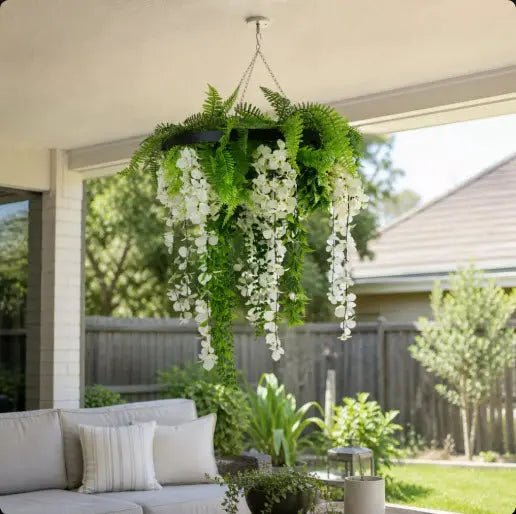
Artificial greenery has become a go-to choice for spaces that need a finished look without ongoing upkeep. From a simple shelf accent to a full privacy screen, artificial plants offer a fast way to add shape, color, and texture indoors or out. Shoppers often start with broad category pages because the real decision is less about one item and more about comparing styles, finishes, sizes, and collection types. That browsing process makes it easier to match the right faux foliage to a room, patio, event backdrop, or commercial display.
Artificial Plants: What to Know Before You Shop
Artificial plants are decorative alternatives designed to look like living greenery without the routine care. They show up everywhere from homes and offices to patios, weddings, and retail displays, especially where consistent color matters. The biggest draw is obvious: no watering, no pruning, and no worrying about sunlight. For many buyers, the shopping goal is not just finding a plant, but comparing artificial greenery by finish, shape, and collection type so the final piece fits the space rather than fighting it.
Why Artificial Plants Are So Popular
The popularity of artificial plants comes down to one practical advantage: they keep a styled, green look with very little effort. That makes them useful in apartments, rental homes, offices, restaurants, and seasonal decorating setups where live plants may not thrive. They also solve common problems like low light, allergies, inconsistent watering, and limited time for care. For buyers who want décor that stays predictable, artificial greenery offers a stable option that still feels polished.
Types of Artificial Plants to Browse
Most shoppers do best by narrowing choices into broad groups first. Floor plants work well for empty corners, while table plants suit desks, consoles, and side tables. Hanging styles bring life to shelves and high walls, and stems are ideal for custom arrangements. Beyond form, artificial plants also vary by look: leafy, flowering, succulent, grass, and tree styles each create a different effect. A leafy stem can soften a bookcase, while a tall tree can anchor a room. The right type usually depends on the amount of visual weight the space needs.
Artificial Trees and Large Statement Pieces
Oversized greenery works best where a room needs height or a strong focal point, such as corners, entryways, and open-plan spaces. In this category, scale matters more than tiny detail, since the main job is to fill space convincingly and cleanly.
Artificial Bushes, Sprays, and Stems
Bushes, sprays, and stems are flexible building blocks for vases, shelves, wreaths, and mixed arrangements. They let shoppers create custom displays without buying a full finished piece, which makes them a smart, affordable way to layer artificial greenery.
Artificial Hanging Plants and Garlands
Trailing shapes help soften walls, mantels, railings, and patio edges, especially where vertical space feels bare. Hanging plants and garlands are popular because they add motion and fullness without taking up floor space, which makes comparison shopping especially useful.
Artificial Succulents and Small Accents
Compact artificial succulents are easy to place on desks, bathroom shelves, and small tables. They are also common for gifting because they feel decorative without needing much room or upkeep.
How to Choose Realistic Artificial Plants
Realistic faux greenery usually looks believable at a glance, even before someone studies the details. Buyers should compare leaf shape, color variation, texture, and stem structure rather than relying on one product photo. Fullness and scale matter too, especially when a plant will sit near real furniture or other natural materials. Product images often reveal whether the finish looks soft and layered or stiff and flat, which can make a big difference once the piece is placed in a room.
Check Texture, Color, and Leaf Detail
Subtle tonal shifts and small imperfections help artificial plants feel closer to the real thing. Glossy finishes can work in some modern spaces, but in many rooms they read as less natural than matte or mixed-texture leaves.
Look at Size and Proportion
Before buying, compare height, width, and container size carefully. A plant can look convincing online and still feel awkward if it is too narrow, too short, or oversized for the surface it sits on.
Choose the Right Pot or Display Style
Planters, baskets, and vases change the final look as much as the greenery itself. A woven basket feels relaxed, a ceramic pot reads cleaner, and a weighted base can make even a budget plant look more premium. Matching the container to the room usually sharpens the whole arrangement.
Best Places to Use Artificial Plants
Artificial plants are most useful in areas where upkeep would normally be a problem or where design needs to stay consistent. Entryways, offices, bathrooms, patios, and event settings all benefit from maintenance-free décor, but placement changes what works best. A small shelf accent may fit a powder room, while a taller piece can help define an office lobby. Material choice matters too, especially if the plant will face direct sun or weather.
Living Rooms and Bedrooms
Relaxing spaces often need greenery that adds softness without cluttering the room. Fuller shapes work especially well in corners and darker areas, where artificial plants can bring color and balance without competing with furniture.
Kitchens, Bathrooms, and Shelves
Compact artificial plants suit functional spaces because they add freshness without demanding much room. In kitchens and bathrooms, small arrangements can handle moisture-friendly styling while keeping counters and shelves visually calm.
Patios, Porches, and Outdoor-Look Spaces
Some artificial plants are made for indoor-outdoor use or sunny placement, and that labeling matters. UV resistant outdoor artificial plants can help reduce fading over time, especially on patios, porches, and balcony railings that get stronger exposure. Checking product details before buying usually prevents disappointment later.
How to Compare Artificial Plants Across Retailers
Comparing collections instead of single items is often the fastest way to find the right artificial greenery. Retailer filters for size, type, and intended use can narrow huge assortments into a manageable set. From there, shoppers can weigh pricing, bundle value, shipping timing, and return policies. A lower sticker price does not always mean better value, especially if the plant is sparse, undersized, or less realistic than a slightly pricier option. Collection pages also make it easier to compare matching styles across brands.
Sort by Style and Collection Theme
Seasonal, indoor, outdoor, and decorative themes help organize browsing quickly. Themed collections usually feel more cohesive, which matters when shoppers want several pieces that work together instead of one isolated accent.
Compare Price, Value, and Quantity
Single stems, fuller arrangements, and statement pieces serve different goals, so price comparisons should account for fullness and realism. A larger piece may cost more, but it can also replace several smaller items and create a more complete look.
Read Product Details Carefully
Materials, dimensions, and care notes often explain the real differences between similar products. It also helps to confirm whether the plant is intended for indoor, outdoor, or mixed use, since product descriptions usually reveal fit faster than photos alone.
Styling Ideas for Artificial Plants at Home
A good faux plant looks intentional, not random. Simple styling choices like grouping, height variation, and container selection can make artificial greenery feel pulled together. Many homeowners also mix artificial plants with books, candles, ceramics, and natural textures so the display feels layered rather than flat. The best setups usually repeat a few visual cues instead of trying to decorate every surface the same way.
Create Layered Displays
Varying height and fullness gives an arrangement more movement. Odd-number groupings often feel more natural than pairs, especially when combining tall stems with shorter accents.
Mix Greenery with Decor Accents
Artificial plants can soften hard surfaces and bring balance to shelves, coffee tables, and mantels. Pairing them with neutral décor or seasonal accents usually keeps the look steady without making it feel overworked.
Refresh the Look Seasonally
Swapping pots, ribbons, or nearby décor can update the same plant for holidays, summer, or everyday use. That approach keeps styling low effort while still making the room feel current.
Care Tips for Long-Lasting Artificial Plants
Even maintenance-free décor benefits from occasional cleaning. Dust can dull artificial plants quickly, and sunlight or heat may fade certain materials over time. Gentle care keeps the greenery looking believable and helps seasonal pieces last longer between uses. Buyers planning outdoor placement should also check whether the product is UV resistant or weather suitable before leaving it exposed.
Dust and Clean Gently
Soft cloths, light brushing, and careful wiping protect delicate leaves better than harsh cleaners. Soaking fragile materials or using strong chemicals can damage the finish.
Store Seasonal Pieces Properly
Dry, covered storage helps preserve shape and color between uses. Keeping pieces uncrushed is especially important for stems, garlands, and fuller arrangements.
Protect Plants from Harsh Conditions
Direct sun, heat, and weather can affect durability, even on sturdier pieces. Checking outdoor suitability before placement is the easiest way to avoid fading, warping, or premature wear.
FAQs About Artificial Plants
Shoppers usually ask the same few questions before comparing faux greenery, and the answers tend to come back to realism, placement, and expected use. Quick checks on material, size, and exposure can prevent most buying mistakes.
Are artificial plants worth buying?
They are worth buying when convenience, consistency, and long-term décor use matter more than live-plant care. Satisfaction usually depends on quality and realism.
How do I make artificial plants look real?
Choose varied tones, shape the stems, and use a better container. Placement matters too, since surrounding décor can either support or expose the faux look.
Can artificial plants be used outdoors?
Some can, but only if they are labeled indoor-outdoor or UV resistant. Product labeling should always guide exposure to sun and weather.
What types of artificial plants are most popular?
Leafy stems, hanging greenery, succulents, and statement trees are among the most common favorites because they style easily and often look more believable in everyday spaces.
Choosing Artificial Greenery That Fits the Space
The best artificial plants do more than fill a corner; they solve a styling need. Whether the goal is privacy, a polished office, a photo-ready event backdrop, or a simple shelf accent, the right choice depends on scale, realism, and where the piece will live. Comparing collection pages side by side usually makes the decision clearer and helps shoppers find artificial greenery that feels deliberate from the start.